
How Bar Crawl Spending Patterns Reveal Which Venues Generate the Highest Customer Loyalty in Dallas TX
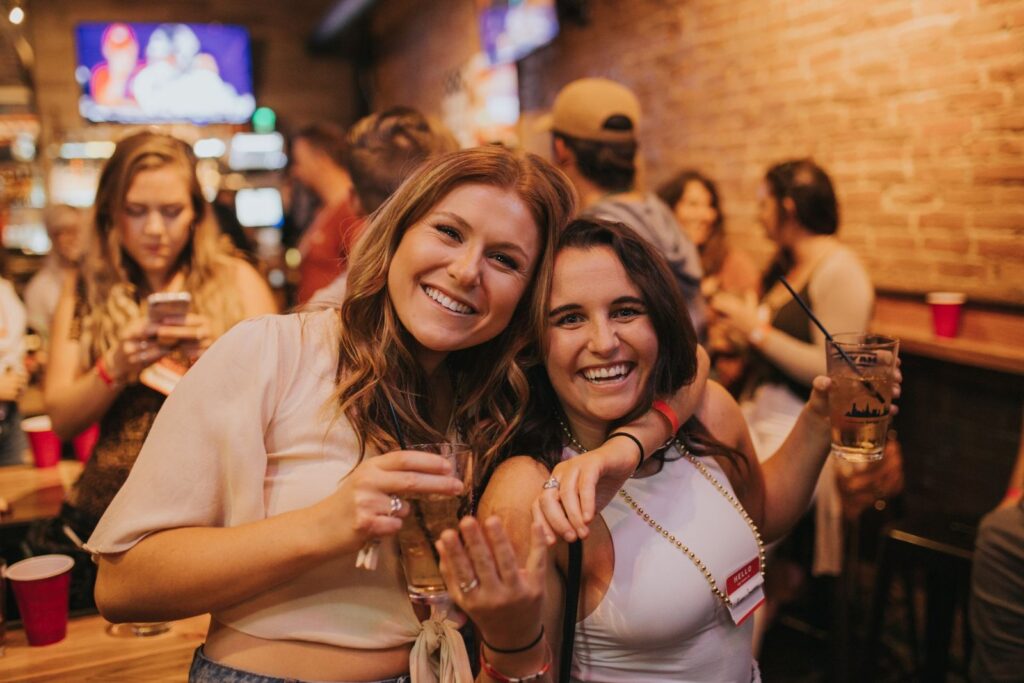
If you’ve ever wandered through the lively streets of Deep Ellum on a Friday night or made your way through Uptown Dallas with a drink ticket in hand, you already know that not every bar leaves the same impression. Some spots become instant favorites — the kind of places you’re already texting your friends about before you’ve even finished your first round. Others? You forget them before you’ve made it to the next block. But what actually separates those sticky, memorable venues from the forgettable ones? The answer, surprisingly, lives in the data — specifically, in how people spend their money during bar crawls.
Bar crawls are more than just a fun night out. They’re a living, breathing experiment in consumer behavior. When dozens or even hundreds of people move through a curated selection of venues in a single evening, the spending patterns they leave behind tell a remarkably detailed story about which bars are doing something right. And in a city as competitive and vibrant as Dallas, TX, that story matters enormously.
In this article, we’re diving deep into what bar crawl spending patterns actually reveal, why certain venues consistently outperform others when it comes to customer loyalty, and how organized bar crawl experiences — like those put together by Barcrawlerz — are uniquely positioned to surface these insights in ways that benefit both bar owners and crawlers alike.
Understanding the Bar Crawl as a Consumer Behavior Laboratory
Think about what a bar crawl actually is from a data perspective. You have a controlled group of participants — people who’ve already opted in to a social drinking experience — moving through a predetermined or semi-structured list of venues within a defined geographic area. Each participant makes real-time decisions about how much to spend, whether to buy additional rounds beyond their included drink, how long to linger at each stop, and whether to return to any of the venues later on their own.
That’s an incredible amount of behavioral data packed into a few hours on a Saturday night in Dallas. And when you start aggregating those patterns across multiple crawls and thousands of participants, some very clear signals begin to emerge.
“The bar that gets people to order a second drink on their own dime — when they already have a ticket for a free one — is the bar that has figured something out that most venues never will.”
This insight is at the heart of understanding customer loyalty through the lens of bar crawl spending. The free drink is the baseline. Everything beyond that is a vote of confidence from the customer.
What “Spending Beyond the Crawl” Actually Signals
When bar crawl organizers track spending patterns — and the good ones absolutely do — they’re looking at a few key metrics. The most telling of these is what we might call “voluntary spend,” meaning the money a crawl participant spends above and beyond what’s included in their crawl package.
In Dallas, where the bar scene ranges from craft cocktail dens in the Design District to rowdy sports bars near American Airlines Center, voluntary spend varies wildly from venue to venue. A bar that consistently sees crawl participants pulling out their wallets for extra rounds, ordering food, buying merchandise, or even tipping generously is signaling something important: it has created an environment that people want to invest in.
Compare that to a venue where participants drain their included drink and immediately start edging toward the door. That bar might be perfectly fine in isolation, but in the context of a crawl — where it’s competing for attention and affection in real time — it’s losing the loyalty game.
Dwell Time as a Loyalty Indicator
Closely related to voluntary spend is dwell time — how long crawl participants actually stay at each venue. This is another metric that savvy bar crawl organizers track, and it’s surprisingly predictive of long-term customer loyalty.
In a bar crawl setting, participants are theoretically incentivized to keep moving. There are more stops, more drinks, more people to meet. And yet, at certain venues, groups consistently linger far longer than the suggested schedule allows. They get caught up in conversation, they order another round, they find a spot they like and they dig in.
Those are the bars that people come back to on their own. The ones that make you forget you were supposed to be somewhere else fifteen minutes ago.
The Dallas Bar Scene: A Unique Testing Ground for Customer Loyalty
Dallas is a fascinating city when it comes to bar culture. It’s a sprawling metropolis with distinct neighborhood identities, each with its own vibe, clientele, and competitive dynamics. Deep Ellum has its gritty, live-music-fueled energy. Uptown caters to young professionals looking for sleek cocktails and see-and-be-seen atmosphere. Lower Greenville offers a more laid-back, neighborhood-bar feel. Knox-Henderson blends upscale dining with casual drinking. And then there’s the Bishop Arts District, which has carved out a reputation for eclectic, community-driven experiences.
Each of these neighborhoods attracts a different kind of bar crawl participant, and each presents different opportunities for venues to build loyalty. A bar crawl through Deep Ellum is going to generate different spending patterns than one through Uptown — not because the people are fundamentally different, but because the context, the expectations, and the competitive set are all distinct.
How Neighborhood Context Shapes Spending Decisions
When Barcrawlerz organizes a crawl through a specific Dallas neighborhood, they’re not just picking a random assortment of bars. They’re curating an experience that reflects the character of that neighborhood and the preferences of the people likely to participate. This curation itself influences spending patterns in meaningful ways.
A crawl participant who signs up for a Deep Ellum bar crawl has already self-selected into a certain mindset. They’re probably open to live music, they might be more adventurous with their drink choices, and they’re likely to respond to venues with personality and edge. A bar in that context that leans into its identity — that feels authentic rather than generic — is going to generate more voluntary spend and longer dwell times than one that feels like it could be anywhere.
Uptown crawlers, on the other hand, might be more responsive to premium offerings, polished service, and social media-worthy aesthetics. The loyalty triggers are different, but the underlying principle is the same: venues that understand their audience and deliver on that understanding win the loyalty battle.
The Role of Staff in Driving Crawl-Based Loyalty
Here’s something that spending pattern data consistently reveals: the single biggest driver of voluntary spend during a bar crawl isn’t the drink menu, the decor, or even the music. It’s the staff.
Bars where bartenders and servers engage warmly with crawl participants — where they learn names, make recommendations, crack jokes, and generally make people feel welcome — consistently outperform venues where the staff treats crawlers as a necessary inconvenience. This shows up clearly in the numbers. Higher tips, more additional orders, and longer dwell times all correlate strongly with positive staff interactions.
“You can have the most beautiful bar in Dallas, but if your bartender makes me feel like I’m bothering them, I’m not coming back. Ever.”
This is something Barcrawlerz has observed across dozens of events in the Dallas area. The venues that become recurring stops on their crawls — the ones that participants specifically request and look forward to — are almost universally the ones with staff who genuinely enjoy their jobs and show it.
Decoding the Spending Patterns: What the Numbers Actually Tell Us
Let’s get into the specifics of what bar crawl spending patterns look like and what they reveal about customer loyalty potential. While every crawl is different, some consistent patterns emerge across the data that bar owners, marketers, and crawl organizers have come to rely on.
The “Second Drink” Effect
As mentioned earlier, the second drink — the one a participant buys with their own money when they already have a free one included — is one of the most powerful loyalty signals in bar crawl data. Venues that consistently trigger this behavior are doing something exceptional.
What drives the second drink purchase? A combination of factors, but they tend to cluster around a few themes. First, the quality of the included drink matters. If the house cocktail is genuinely good, participants are more likely to want another one rather than moving on. Second, the social environment plays a huge role. If people are having a great time — if the energy is right, the music is good, the crowd is fun — they don’t want to leave, and ordering another drink is the socially accepted way to extend their stay. Third, and perhaps most importantly, is the sense that the bar actually wants them there.
Bars that welcome crawl groups enthusiastically, that make them feel like valued guests rather than a temporary inconvenience, see dramatically higher rates of voluntary second-drink purchases. In Dallas, where hospitality culture runs deep, this factor is particularly pronounced.
Food Ordering as a Loyalty Signal
Another revealing spending pattern is food ordering. When bar crawl participants who aren’t specifically on a food crawl start ordering appetizers or bar snacks at a venue, it’s a strong signal that they’re settling in — that they’re comfortable, enjoying themselves, and not in a hurry to leave.
Bars in Dallas that have invested in quality bar food programs — not necessarily full restaurant menus, but genuinely good snacks and shareables — tend to see this behavior more frequently during crawls. And the correlation between food ordering during a crawl and return visits is remarkably strong. If you got someone to order queso or sliders on a bar crawl, there’s a good chance they’re coming back for that queso on a random Tuesday.
Merchandise and Branded Item Purchases
This one might seem minor, but it’s actually a fascinating loyalty indicator. Some Dallas bars sell branded merchandise — hats, t-shirts, koozies, glassware. When crawl participants buy these items, they’re not just spending money; they’re literally taking a piece of the bar home with them. They’re becoming brand ambassadors. They’re making a statement about their affiliation with that venue.
The bars that see merchandise purchases during crawls are the ones that have successfully created a sense of community or identity around their brand. In Dallas, a few venues have mastered this — bars where the logo on a t-shirt actually means something to the people wearing it. Those bars don’t just have customers; they have fans.
How Barcrawlerz Leverages Spending Data to Improve the Experience
Barcrawlerz isn’t just in the business of organizing fun nights out — though they absolutely do that, and they do it well. They’re also deeply invested in understanding what makes those nights resonate, what keeps participants coming back for the next crawl, and what helps their partner venues build lasting relationships with new customers.
The spending pattern insights they gather from each event in Dallas inform everything from venue selection to crawl routing to the way they brief partner bars before an event. A venue that consistently underperforms on voluntary spend metrics might get coaching on how to better engage with crawl groups. A venue that consistently overperforms might get featured more prominently in marketing materials or positioned as the crawl’s anchor stop.
How Barcrawlerz Selects Partner Venues
When Barcrawlerz evaluates potential partner venues in Dallas, they’re looking at a combination of factors that spending pattern data has taught them to prioritize. Staff engagement is at the top of the list, followed closely by drink quality, physical layout (can the bar actually accommodate a group without making everyone miserable?), and the venue’s overall vibe and authenticity.
They’re also looking at how the venue’s team responds to the idea of a bar crawl. Bars that get excited about the opportunity — that see it as a chance to win new regulars rather than a logistical headache — tend to perform better on every metric. That enthusiasm is contagious, and it shows up in the spending data.
Feedback Loops: From Crawl Data to Venue Improvement
One of the most valuable things Barcrawlerz offers its partner venues is a feedback loop that most bars never get access to. After each crawl, they share aggregated data with venue partners — not just about spending, but about participant sentiment, dwell time, and the kinds of comments that came up most frequently in post-crawl surveys.
For a bar in Dallas trying to figure out why they’re not building the kind of loyal following they want, this kind of data is gold. It’s the difference between guessing why customers aren’t coming back and actually knowing. And when bars act on that feedback — when they make changes based on what the crawl data is telling them — the results are often dramatic.
“We had a partner venue in Uptown that was struggling to convert crawl participants into regulars. The data showed that dwell time was low and voluntary spend was minimal. One conversation about staff engagement later, and their next crawl numbers were completely different.”
Building Long-Term Customer Loyalty: Lessons from Bar Crawl Data
So what can Dallas bar owners and managers actually take away from all of this? What are the actionable lessons that bar crawl spending patterns have surfaced about what it takes to build genuine customer loyalty in a competitive market?
Lesson One: First Impressions Are Disproportionately Important
In a bar crawl context, you have about five minutes to make a meaningful impression before a participant’s attention starts drifting toward the next stop. That’s not much time. The bars that win the loyalty game are the ones that front-load the experience — that make the first interaction with a crawl participant genuinely memorable.
This might mean having a signature welcome shot ready, or having staff stationed at the door to greet groups enthusiastically, or having the bar’s best playlist curated and ready to go. Whatever the tactic, the principle is the same: you don’t get a second chance to make a first impression, and in a bar crawl, that window is even narrower than usual.
Lesson Two: Authenticity Beats Gimmicks Every Time
Dallas bar-goers are sophisticated. They’ve seen every gimmick, every themed cocktail, every Instagram-bait installation. What they respond to — what actually generates loyalty — is authenticity. A bar that knows what it is and commits to it fully will outperform a bar that’s trying to be all things to all people, every single time.
This shows up clearly in spending pattern data. Bars with a strong, coherent identity — bars that feel like they couldn’t exist anywhere else — consistently generate higher voluntary spend and longer dwell times than bars that feel generic or derivative. In Dallas, where neighborhood identity is such a powerful force, this principle is especially relevant.
Lesson Three: The Relationship Doesn’t End When the Crawl Does
The most loyalty-savvy venues in the Barcrawlerz network have figured out that the bar crawl is just the beginning of the customer relationship, not the whole thing. They collect contact information from participants (with permission, of course), they follow up with special offers, they invite crawl alumni to exclusive events, and they actively cultivate the sense that crawl participants are part of an in-group.
In Dallas, where word-of-mouth is incredibly powerful and social circles tend to overlap in interesting ways, this kind of relationship cultivation pays enormous dividends. A crawl participant who becomes a regular doesn’t just come back themselves — they bring their friends, their colleagues, their dates. The lifetime value of a single converted crawl participant can be staggering.
Lesson Four: Consistency is the Foundation of Loyalty
Here’s the thing about loyalty: it’s not built in a single visit, no matter how spectacular that visit might be. It’s built through repeated positive experiences over time. The bars in Dallas that have the most loyal followings aren’t necessarily the ones that deliver the occasional transcendent experience — they’re the ones that deliver a reliably good experience every single time.
Bar crawl spending data reflects this. Venues that see consistent voluntary spend across multiple crawls — not just occasional spikes — are the ones building real loyalty. The spike might come from a particularly good night or a particularly enthusiastic group. The consistency comes from a bar that has its fundamentals locked in and delivers on them reliably.
Why Bar Crawls Are One of the Best Customer Acquisition Tools for Dallas Bars
Let’s zoom out for a moment and look at the bigger picture. In a market as competitive as Dallas — where new bars open regularly and consumers have an almost overwhelming number of options — customer acquisition is a constant challenge. How do you get new people through the door? How do you introduce your venue to people who might never have discovered it on their own?
Bar crawls, when done well, are one of the most effective answers to that question. They deliver pre-qualified, socially primed, drink-ready customers directly to your door. These aren’t people who wandered in off the street with no particular intention — they’re people who have already committed to having a good time and are actively looking for venues to love.
The conversion opportunity is enormous. And the spending pattern data makes it clear that the bars which take that opportunity seriously — which treat crawl participants as potential long-term customers rather than one-night visitors — are the ones that see the biggest loyalty payoff.
The Network Effect of Bar Crawl Communities
Barcrawlerz has built something genuinely valuable in the Dallas bar scene: a community of people who love exploring new venues together. That community has its own social dynamics, its own word-of-mouth networks, and its own culture of sharing recommendations and experiences.
When a bar earns the loyalty of that community — when it becomes a place that Barcrawlerz regulars genuinely love and advocate for — the network effect is powerful. These are people who go out frequently, who have large social networks, and who are actively looking for great bar experiences to share with their friends. A single enthusiastic recommendation from a Barcrawlerz regular can bring in a dozen new customers.
That’s the real power of bar crawl spending patterns as a loyalty indicator. They don’t just tell you which venues are winning in the moment — they tell you which venues are positioned to win over the long term, through the compounding power of community advocacy and word-of-mouth in one of America’s most dynamic bar scenes.
Final Thoughts: Spending Patterns as a Map to Customer Hearts
At the end of the day, what bar crawl spending patterns really reveal is something quite human: where people feel welcome, valued, and genuinely happy to be. The money follows the feeling. The dwell time follows the connection. The return visits follow the memory of a great experience.
In Dallas, TX — a city with a rich bar culture, fierce competition, and a population that takes its nightlife seriously — the venues that understand this principle and build their entire operation around it are the ones that generate the kind of deep, durable customer loyalty that sustains a business for years.
Barcrawlerz has had a front-row seat to this dynamic across countless events in neighborhoods from Deep Ellum to Knox-Henderson to Bishop Arts. The patterns are clear, the lessons are actionable, and the opportunity for Dallas bars that are willing to engage seriously with the data is genuinely exciting.
Whether you’re a bar owner looking to understand your customers better, a nightlife enthusiast curious about what makes your favorite spots special, or someone who’s never been on a bar crawl but is suddenly very intrigued — the message is the same. The spending patterns don’t lie. And in Dallas, the bars that are winning the loyalty game are the ones worth seeking out, one crawl at a time.
Ready to experience it for yourself? Join a Barcrawlerz event in Dallas and see firsthand which venues have cracked the code on customer loyalty. Your wallet — and your sense of adventure — will tell you everything you need to know.