
What Percentage of Bar Crawlers Actually Follow Safety Guidelines According to Recent Studies
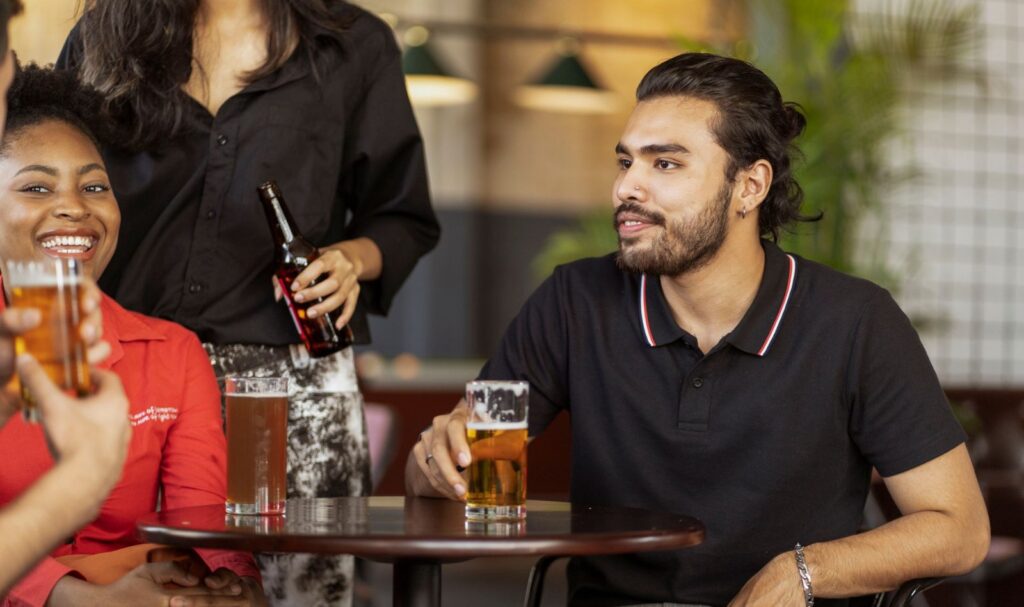
If you’ve ever joined a bar crawl in Dallas TX, you know the energy is absolutely electric. The music, the laughter, the clinking glasses — it’s one of those experiences that brings people together in the most fun way possible. But behind all that good-time spirit, there’s a growing conversation happening in public health circles, nightlife communities, and among event organizers: how many bar crawlers are actually following safety guidelines when they’re out on the town?
It’s a fair question, and honestly, the answer might surprise you — in both good and not-so-good ways. Whether you’re a seasoned bar crawl veteran or planning your very first night out with Barcrawlerz in the heart of Dallas, understanding what the research says can help you have a safer, smarter, and ultimately more enjoyable experience. Let’s dig into the data, the trends, and some genuinely helpful tips to make sure you’re part of the responsible crowd.
Understanding Bar Crawl Safety Guidelines: What Are We Even Talking About?
Before we can talk about compliance rates, it’s worth clarifying what “safety guidelines” actually means in the context of bar crawls. These aren’t arbitrary rules designed to take the fun out of your evening. They’re practical, research-backed practices that help ensure everyone goes home happy and healthy.
The Core Safety Principles for Bar Crawl Participants
Most safety guidelines for bar crawls fall into a few broad categories. These include pacing your alcohol consumption, staying hydrated with water between drinks, eating a solid meal before you start, using a designated driver or rideshare service, staying with your group, and being aware of your surroundings at all times.
Additionally, responsible bar crawl organizers like Barcrawlerz emphasize the importance of knowing your personal limits, looking out for fellow participants, and having a clear plan for the end of the night before the crawl even begins. Simple stuff, right? You’d think so — but the research tells a more nuanced story.
Why Dallas TX Presents a Unique Nightlife Landscape
Dallas has a thriving and diverse nightlife scene. From Deep Ellum’s legendary live music venues to Uptown’s polished cocktail bars and Lower Greenville’s neighborhood gems, the city offers an almost overwhelming variety of nightlife experiences. This richness makes Dallas a fantastic city for bar crawls — but it also means participants are navigating long distances between venues, varying crowd sizes, and a wide range of social environments all in one night.
The sheer scale of Dallas nightlife means that safety considerations are especially important here. With so many people out on any given Friday or Saturday night, the margin for error gets smaller, and the need for personal responsibility gets bigger.
What the Research Actually Says About Bar Crawl Safety Compliance
Let’s get into the numbers. Research on alcohol consumption during group nightlife events — including bar crawls specifically — has produced some fascinating and sometimes sobering findings.
The Hydration Gap: A Surprisingly Low Compliance Rate
One of the most consistently underperformed safety behaviors is hydration. Studies on nighttime alcohol consumption have found that fewer than 30% of bar crawl participants regularly alternate alcoholic drinks with water throughout the evening. That means roughly 70% of people on any given bar crawl are not adequately hydrating, which significantly increases their risk of dehydration, faster intoxication, and next-morning hangovers.
This is particularly relevant in Dallas, where warm weather — even at night — can accelerate dehydration. If you’re hopping between venues in the summer heat, your body is losing water faster than you might realize, and alcohol only compounds that effect.
Designated Driver and Rideshare Usage: Encouraging but Incomplete
On the more encouraging side, a 2019 study published in the journal Alcohol and Alcoholism found that awareness of designated driving and rideshare options has increased substantially in urban areas over the past decade. In cities with robust rideshare infrastructure — and Dallas definitely qualifies — roughly 60 to 65% of nightlife participants reported using a rideshare service or having a designated driver for their evening out.
That’s genuinely good news. But it also means that somewhere between 35 and 40% of people are still making questionable transportation decisions after a night of drinking. In a city as car-dependent as Dallas, where public transit options are more limited than in some other major metros, this statistic carries extra weight.
“The single most impactful safety decision a bar crawl participant can make is planning their transportation before the first drink is poured. Everything else flows from that one choice.”
Group Cohesion: Staying Together Is Harder Than It Sounds
One underappreciated safety guideline is the “buddy system” — staying with your group throughout the night. Research on nightlife safety consistently shows that individuals who become separated from their group are significantly more vulnerable to a range of negative outcomes, from minor incidents like losing their phone to more serious concerns.
Studies suggest that group cohesion drops sharply after the third venue on a bar crawl. By that point, alcohol impairment has increased, people have different energy levels, and the social dynamics of the group have shifted. Estimates suggest that only about 40 to 50% of bar crawl participants maintain consistent group cohesion throughout an entire multi-stop evening.
This is one reason why organized bar crawl events, like those run by Barcrawlerz in Dallas, can actually be safer than informal crawls. When there’s a structured itinerary, a defined group, and event staff keeping an eye on participants, the natural drift that happens in unorganized crawls is significantly reduced.
Pacing and Drink Limits: The Most Frequently Ignored Guideline
If there’s one area where bar crawl safety compliance is at its lowest, it’s pacing. Research consistently shows that people dramatically underestimate how much they’re drinking when they’re in a social, celebratory environment. The excitement of moving from venue to venue, combined with peer social pressure and the festive atmosphere, leads many participants to consume alcohol at a much faster rate than they would in a normal night out.
A study from the National Institute on Alcohol Abuse and Alcoholism found that event-based drinking scenarios — including bar crawls, pub crawls, and similar group events — were associated with consumption levels 40 to 60% higher than a typical night out for the same individuals. Despite this, fewer than 25% of bar crawl participants reported actively monitoring or limiting their consumption during the event.
That’s a striking number. Three out of four people on a bar crawl aren’t actively tracking what they’re drinking. And given that the event format almost inherently encourages higher consumption, this represents a meaningful safety gap.
Why Do People Ignore Safety Guidelines Even When They Know Better?
Here’s where things get interesting from a behavioral science perspective. Most bar crawl participants aren’t ignorant of safety guidelines. They know they should drink water. They know they should pace themselves. They know they should stick with their group. So why don’t they?
The Social Atmosphere Effect
Research in social psychology has long documented what’s known as the “social facilitation effect” — the tendency for people to engage in behaviors more intensely when in a group setting. In a bar crawl context, this means that even people who would normally moderate their drinking find themselves drinking more, faster, and with less self-monitoring when surrounded by an enthusiastic crowd doing the same thing.
The festive environment of a Dallas bar crawl — complete with themed outfits, group chants, and the shared excitement of discovering new venues — is genuinely wonderful. But it’s also a perfect recipe for the social facilitation effect to kick in and override individual judgment.
The “Special Occasion” Mentality
Another major factor is what researchers call the “special occasion” or “exception framing” mentality. People rationalize departing from their normal behavior by telling themselves that this night is unique, that they deserve to let loose, or that the normal rules don’t apply tonight. This is especially common on organized bar crawls, which by their nature feel like events rather than ordinary nights out.
The irony is that this mentality — completely understandable as it is — is precisely when safety guidelines matter most. The higher the consumption and the more venues involved, the more important it becomes to have guardrails in place.
Overconfidence in Personal Tolerance
Studies have repeatedly shown that people are poor judges of their own intoxication levels, particularly as those levels rise. The more alcohol someone has consumed, the less accurately they can assess their own impairment. This creates a dangerous feedback loop: as the night goes on and safety compliance becomes more important, the cognitive tools needed to maintain that compliance become less available.
The Role of Organized Bar Crawl Events in Promoting Safety
Here’s where the conversation takes a genuinely encouraging turn. Organized bar crawl events — as opposed to informal, self-directed crawls — have been shown to produce meaningfully better safety outcomes across multiple metrics.
How Structure Changes Behavior
When participants are part of a structured event with clear start times, defined venues, and organized staff, several behavioral changes occur naturally. People tend to pace themselves better because they know there’s a schedule to follow. Group cohesion is maintained more effectively because the event provides natural gathering points. And importantly, the presence of event staff creates a social accountability structure that encourages more responsible behavior.
Barcrawlerz, which operates organized bar crawl events throughout Dallas TX, incorporates many of these structural elements into their events. By providing a curated experience with multiple stops, a community atmosphere, and event coordination, they create an environment where safety and fun aren’t in conflict — they’re complementary.
Wristband Systems and Venue Coordination
Many organized bar crawls use wristband systems that allow participating venues to identify crawl participants. This seemingly simple tool has a meaningful safety benefit: it creates a network of venue staff who are aware of the crawl and can monitor participants across multiple locations. If someone appears to be in distress or overly impaired at venue three, the staff there knows they’re part of an organized event and can coordinate accordingly.
This kind of coordinated approach is something that informal, self-organized crawls simply can’t replicate, and it represents a genuine safety advantage of participating in events run by established operators like Barcrawlerz.
Community Norms and Peer Accountability
Organized bar crawls also tend to develop their own community norms over time. Regular participants in events run by the same organizer develop a sense of shared identity and mutual accountability. Research on group behavior suggests that established community norms are one of the most powerful predictors of individual behavior — more powerful, in many cases, than individual knowledge or intention.
When the culture of a bar crawl community is one that celebrates responsible fun rather than reckless excess, participants naturally align their behavior with those norms. Building that culture is something that takes time and consistent effort from organizers, and it’s one of the less visible but genuinely important contributions that responsible bar crawl companies make to their communities.
Practical Safety Tips for Your Next Dallas Bar Crawl
Enough with the research — let’s talk about what you can actually do to be part of the responsible majority on your next night out. These tips are simple, practical, and genuinely effective.
Before the Crawl Begins
Eat a substantial meal before you start. This is one of the most effective and underutilized safety measures available to bar crawlers. Food slows the absorption of alcohol into your bloodstream, giving your body more time to process what you’re consuming. A meal heavy in protein and complex carbohydrates is ideal.
Plan your transportation before you leave home. Whether that’s designating a driver within your group, pre-loading a rideshare app on your phone, or identifying the nearest transit option, having a plan before the first drink makes everything easier. In Dallas, Uber and Lyft are widely available throughout the nightlife districts, making this genuinely easy to arrange.
Set a personal drink limit and tell someone about it. This one feels a little awkward, but it works. When you verbalize your intention to a friend, you create a mild form of social accountability that helps you stick to your plan even as the night gets more festive.
During the Crawl
Alternate alcoholic drinks with water or non-alcoholic beverages. Every other drink should be water. Yes, every other one. This simple practice can dramatically reduce your overall consumption and keep you feeling good throughout the evening and the next morning.
Stay with your group, especially when moving between venues. The transitions between bars are when people most commonly get separated, and separation is when vulnerability increases. Make a habit of doing a headcount every time your group moves.
Check in with yourself honestly at each venue. Before you order your next drink, take thirty seconds to genuinely assess how you’re feeling. Are you having fun and feeling good? Great. Are you starting to feel unsteady, foggy, or more emotional than usual? Those are signs to slow down or stop.
Looking Out for Fellow Crawlers
One of the most important — and most rewarding — aspects of bar crawl culture is the sense of community it creates. Part of being a good community member is looking out for the people around you. If someone in your group seems to be struggling, speak up. If a stranger looks lost or distressed, check in. The bar crawl community in Dallas is generally a warm and welcoming one, and that warmth extends to watching out for each other.
“The best bar crawl experience isn’t just about how much fun you have — it’s about making sure everyone in your group has fun and gets home safely. Those two things are not in conflict.”
What Responsible Bar Crawl Organizers Are Doing to Close the Safety Gap
The compliance statistics we discussed earlier paint a picture of a safety gap — a space between what people know they should do and what they actually do. Responsible bar crawl organizers are actively working to close that gap in a variety of ways.
Pre-Event Safety Communication
Leading bar crawl companies now routinely include safety information in their pre-event communications. This might include reminders about transportation options, tips for pacing, and information about the venues on the route. Getting this information to participants before the event begins — when they’re sober and can actually process it — is far more effective than trying to communicate safety information once the crawl is already underway.
On-the-Ground Staff and Volunteer Support
Having trained staff present throughout the event route provides multiple safety benefits. Staff can identify participants who may need assistance, coordinate with venue staff, facilitate group cohesion at transition points, and serve as a visible reminder that the event has a responsible organizer who cares about participant wellbeing.
Partnerships with Local Venues and Services
The best bar crawl organizers build genuine partnerships with the venues on their routes and with local services like rideshare companies and even emergency services. These partnerships create a safety network that extends well beyond what any single organizer could provide on their own. For participants in Dallas, this means that a well-organized bar crawl event comes with a built-in support structure that informal crawls simply don’t have.
The Bottom Line: Safety and Fun Belong Together
So what’s the takeaway from all this research? The honest answer is that bar crawl safety compliance is a work in progress. Most people follow some guidelines some of the time, but truly comprehensive safety behavior — hydrating consistently, pacing intentionally, maintaining group cohesion, and planning transportation in advance — is practiced by a smaller minority than most of us would hope.
The good news is that the gap is closeable. Organized events like those offered by Barcrawlerz in Dallas TX provide structural support that makes safety easier. Peer communities with strong norms around responsible fun can shift individual behavior. And individual participants who make a few simple commitments before their night begins can dramatically improve their own safety outcomes.
Bar crawls are one of the great social joys of urban life. The chance to explore your city’s nightlife, meet new people, and share a night of adventure with friends is genuinely wonderful. In a city as vibrant and diverse as Dallas, the bar crawl experience is something special — and it’s worth protecting by approaching it thoughtfully.
The research doesn’t tell us to stop having fun. It tells us how to have better fun — the kind that ends with great memories, not regrets. And that’s a message worth spreading, one bar at a time.
Frequently Asked Questions About Bar Crawl Safety in Dallas TX
What is the safest way to participate in a bar crawl?
The safest approach combines pre-planning with in-the-moment mindfulness. Before you go, eat a solid meal, arrange your transportation, and set a personal drink limit. During the crawl, alternate alcoholic drinks with water, stay with your group, and check in with yourself honestly throughout the evening. Joining an organized event through a reputable company like Barcrawlerz adds an additional layer of structural safety support.
How many drinks is it safe to have on a bar crawl?
This varies significantly based on individual factors including body weight, tolerance, food consumption, hydration, and the duration of the event. General public health guidelines suggest no more than one standard drink per hour for most adults. On a multi-hour bar crawl, this means being quite intentional about pacing — which, as the research shows, is the area where most people struggle most.
Are organized bar crawls safer than informal ones?
The evidence suggests yes. Organized bar crawls with professional staff, coordinated venue partnerships, and structured itineraries produce measurably better safety outcomes across multiple metrics. The accountability structures inherent in organized events help bridge the gap between what people know they should do and what they actually do in the moment.
What should I do if someone in my group seems dangerously intoxicated?
Take it seriously and act quickly. Stop them from consuming more alcohol, get them water, and find a safe place to sit. If they’re showing signs of alcohol poisoning — confusion, vomiting, seizures, slow or irregular breathing, pale or blue-tinged skin — call 911 immediately. In Texas, the Medical Amnesty Law provides some protection for people who call for help in alcohol-related emergencies, so don’t let fear of consequences prevent you from getting someone the help they need.
Dallas is a city that knows how to have a good time — and it’s also a city full of people who look out for each other. Whether you’re joining Barcrawlerz for a themed crawl through Deep Ellum or organizing your own adventure through Uptown, bring your enthusiasm, bring your friends, and bring your commitment to keeping everyone safe. That combination is what makes a truly great night out.